
Suomenlinna Sea Fortress: Our Complete Guide for Australian Travellers
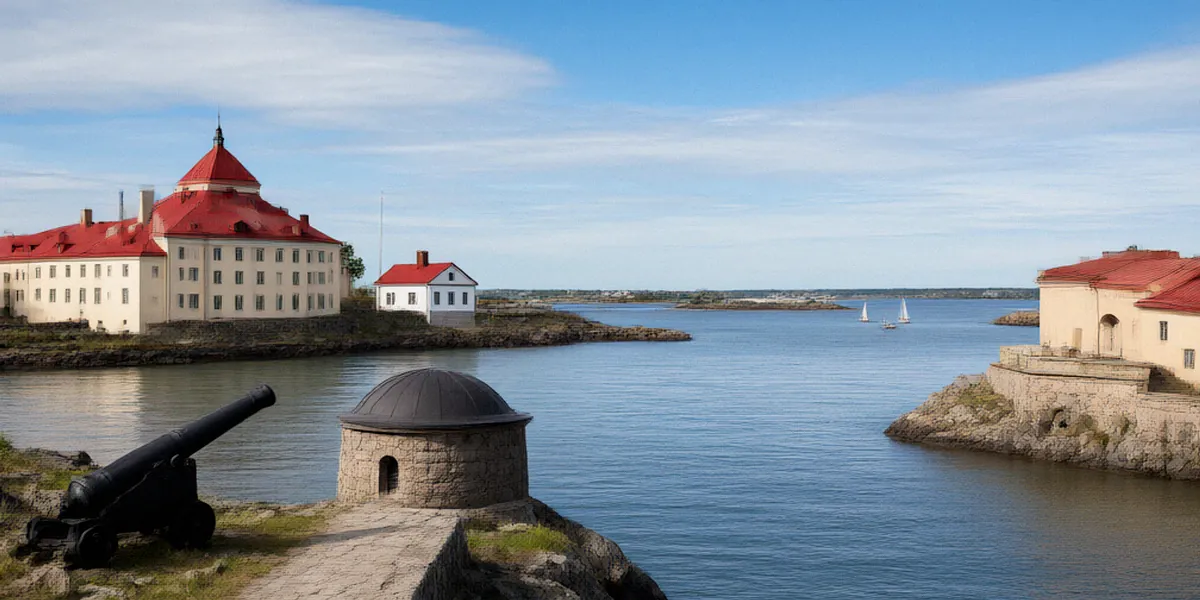
The ferry eases out of Helsinki’s Market Square, the skyline shrinks behind you, and suddenly the islands rise from the Baltic in a sprawl of grey stone walls, grassy ramparts and red-brick barracks. Twenty minutes earlier you were standing in a bustling harbour market; now you’re drifting towards one of the largest sea fortresses in the world. For our team, Suomenlinna is the single easiest way to add a UNESCO World Heritage site to a Nordic city break — no long day trips, no hire cars, just a public ferry ride across Helsinki’s harbour.
Why Suomenlinna Belongs on Your Helsinki Itinerary
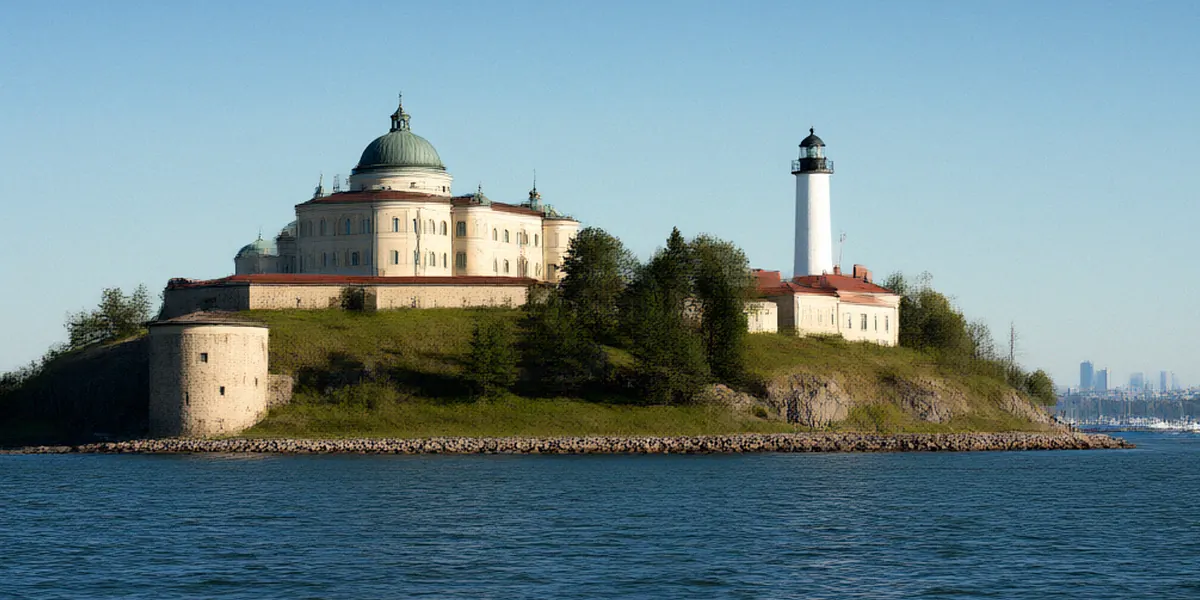
Suomenlinna has been a UNESCO World Heritage site since 1991, recognised as an outstanding example of 18th-century military architecture. Construction began in 1748, when Finland was part of the Swedish realm and the fortress — originally named Sveaborg — was built to guard the sea approach to Helsinki. It later passed to Russia and then to independent Finland, which renamed it Suomenlinna, the “Castle of Finland.”
For Australians short on time in the Nordics, that history comes with serious convenience. The fortress is not out in the countryside; it’s a suburb of Helsinki reachable on the same public transport card you’d use for a tram. You can walk through Swedish bastions, Russian barracks and Finnish naval history in a single afternoon and still be back in the city for dinner.
A Quick History of the ‘Castle of Finland’
The Swedes built Sveaborg across several rocky islands as a naval base and defensive chain. It surrendered to Russia in 1808, became a Russian garrison town, and later served as a prison camp after Finland’s civil war. Since 1973, the military has stepped back and the islands have been restored as a living district — around 800 people actually live there year-round, which is why it feels like a village rather than a museum set.
How Long Do You Need on the Islands?
We’d allow four to five hours for a comfortable visit: a walk along the Blue Route, one or two museums, lunch and a coffee. If you’re rushing to catch a Baltic ferry, a two-hour loop covering the King’s Gate and the church is doable. History buffs who want the Suomenlinna Museum, Ehrensvärd Museum and the submarine Vesikko should set aside most of a day.
Getting There: Ferry, Tickets, and Timing
The HSL ferry from Helsinki Market Square (Kauppatori) to Suomenlinna is the classic route, and it’s part of Helsinki’s regular public transport network. Crossings take roughly 15–20 minutes, and the Suomenlinna ferry runs year-round — in winter you’ll be crossing ice-strewn water, which is an experience in itself.
If you’ve spent years juggling Opal in Sydney or Myki in Melbourne, Helsinki’s system will feel refreshingly simple: one ticket, one zone system, ferries included.
Buying HSL Tickets as a Visitor
Suomenlinna sits in HSL zones A and B, so a standard AB ticket covers the ferry. You can buy tickets in the HSL app, from ticket machines, or from the kiosk at Market Square. Validate before boarding and keep the ticket active for the duration — inspectors do come through.
Best Times to Visit to Avoid Crowds
- Early morning: the first ferries around 9am are quiet, and the light on the ramparts is beautiful.
- Weekdays in May and September: shoulder season gives you mild weather without the July crush.
- Winter: few crowds, but many cafes run reduced hours — check before you go.
- Avoid: midsummer weekends and any day a cruise ship is in port.
What to See and Do on the Islands
The must-sees are spread across the main island and its neighbours. The King’s Gate, a dramatic stone gateway on the southern tip, was built as the ceremonial entrance and offers sweeping Baltic views. Suomenlinna Church began life as a Russian Orthodox garrison church and now doubles as a lighthouse — its dome flashes a beacon for passing ships. The dry dock, one of the oldest in Europe, still operates, and the Suomenlinna Museum gives you the full story in under an hour.
Optional paid attractions include the Ehrensvärd Museum, in the former commandant’s house, and the submarine Vesikko, a 1930s Finnish sub you can climb inside. Both are worth it if you’re interested in military history; skip them if you’re short on time.
The Blue Route: Our Suggested Walking Plan
The Blue Route is the main marked walking path linking the key sights, and it’s well signposted. Start at the ferry terminal, follow the route past the church and museum, continue to the dry dock, then out to the King’s Gate before looping back. It’s roughly 3km and takes about 90 minutes at a relaxed pace.
Museums Worth Your Time (and Which to Skip)
Prioritise the Suomenlinna Museum for context, then pick either Ehrensvärd or Vesikko depending on your interests. The toy museum is charming but niche — fine if you’re travelling with kids and need a rainy-day stop.
Picnic Spots and Baltic Views
Bring a picnic if the weather’s kind. The grassy slopes near the church and the rocks around the King’s Gate are our favourite spots, with ferries and sailing boats drifting past. There are also public barbecues on some islands, popular with locals in summer.
Eating, Drinking, and Sauna on Suomenlinna
You won’t go hungry. The Suomenlinna Brewery (Panimo) is the headline act — a working craft brewery with a restaurant in a former Russian barracks, serving Finnish classics and its own beers. Café Piper, in a wooden villa surrounded by garden, is our pick for coffee and a slice of something sweet. There’s also a small grocery store on the main island if you’re self-catering.
Our Picks for Lunch and Coffee
For a proper sit-down lunch, book the Brewery. For a lighter stop, Café Piper or the café near the ferry terminal both work well. In summer, the ice cream kiosks near the jetty do a roaring trade.
Sauna Options Near the Fortress
There’s no traditional public sauna on Suomenlinna itself, but Finnish sauna culture is a short ferry ride away. Back in Helsinki, Löyly, Kotiharjun Sauna and the saunas at Allas Sea Pool are all excellent introductions. If you’re curious about Finnish sauna etiquette — and you should be, it’s the heart of the culture — combining a fortress morning with an evening sauna is one of the best days you can have in Helsinki.
Practical Tips for Australian Visitors
The Baltic wind doesn’t care what month it is. Even in July, the islands can be cool and breezy, and rain is possible year-round. Layers, a windproof jacket and shoes with grip are non-negotiable — the paths are gravel and uneven, and the ramparts are slippery when wet.
What to Pack and Wear
- Waterproof jacket and a warm mid-layer, even in summer
- Sturdy walking shoes with tread — leave the thongs at the hotel
- Sunscreen and sunglasses for long Nordic daylight hours
- A refillable water bottle; Helsinki tap water is excellent
Accessibility and Facilities
The ferry is wheelchair accessible, and the main paths are manageable, but some areas — the King’s Gate and the outer ramparts — involve gravel, steps and uneven ground. Public toilets are located near the ferry terminal, the museum and the Brewery.
Money, Cards, and Mobile Data
Finland is essentially cashless; cards and mobile payments work everywhere, including the island cafes. Note that Australia’s GST refund scheme (TRS) doesn’t apply here, but Helsinki’s tax-free shopping for non-EU visitors may interest anyone planning bigger purchases in the city. Mobile data is cheap and fast — an EU roaming SIM or a local prepaid plan will keep you connected.
On jet lag: Helsinki is roughly eight hours behind Sydney and ten behind Melbourne, so give yourself a gentle first day. A ferry ride and a walk in fresh sea air is a surprisingly effective reset.
Pairing Suomenlinna with Your Nordic City Break
Suomenlinna slots neatly into a broader Helsinki itinerary. Pair it with Temppeliaukio Church, carved into solid rock, and an afternoon wandering the Design District. Many Australians add Helsinki to a larger Scandinavia trip, using it as a gateway between Stockholm and the Baltic states.
Helsinki in 48 Hours
Day one: Market Square, Esplanadi, Design District and a sauna. Day two: morning ferry to Suomenlinna, afternoon at Temppeliaukio and the harbour, evening meal at the Brewery or in Kallio.
Baltic Add-Ons: Tallinn and Stockholm
The ferry to Tallinn takes about two hours, making Estonia an easy day trip or overnight. Stockholm is reachable by overnight ferry or a short flight. Both are natural extensions if you’ve come all the way from Australia and want more from the region.
FAQ
Do I need to book the Suomenlinna ferry in advance?
No. The HSL ferry runs on a regular timetable and you simply tap or scan your ticket as you board. In peak summer, arrive a few minutes early to get a good spot on deck.
Is Suomenlinna worth visiting in winter?
Yes, if you dress for it. The islands are quieter, the sea ice is striking, and the museums stay open. Just check cafe and restaurant hours, as some operate reduced schedules.
How much does it cost to visit Suomenlinna?
The ferry is covered by a standard HSL AB ticket, and walking around the islands is free. Museums and the submarine Vesikko charge individual entry fees.
Can I do Suomenlinna and a Finnish sauna in one day?
Absolutely. Spend the morning on the islands, ferry back to Market Square, then head to a Helsinki sauna such as Löyly or Kotiharjun in the late afternoon. It’s a classic Finnish day.
Is Suomenlinna suitable for kids?
Very. There’s space to run, tunnels to explore, and the ferry ride is a hit on its own. Watch younger children near the water and on the ramparts.
Suomenlinna delivers history, sea views and genuine Finnish character in a half-day escape that costs little more than a city tram fare. Book your ferry ticket, pack layers, and give yourself time to wander — it’s the kind of place that rewards slowing down.