
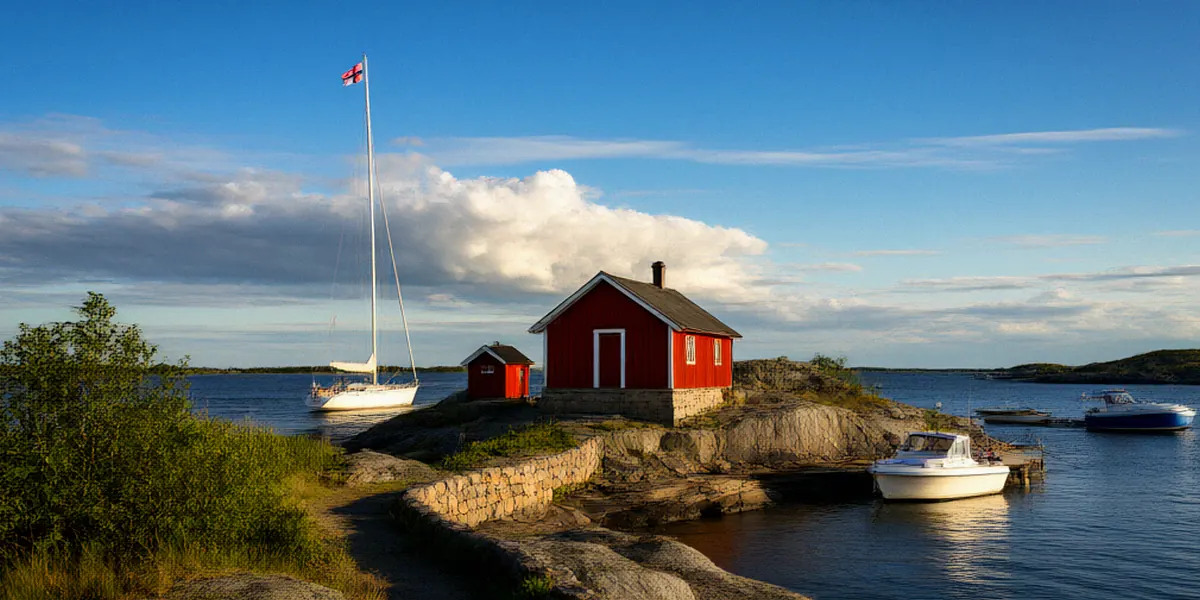
Island Hopping in the Helsinki Archipelago: Your Ultimate Nordic City Break
You step off a ferry and within eight minutes you’re standing on a pine-covered island, the smell of resin in the air, sea birds wheeling overhead, and the towers of Helsinki’s market square still visible across the water. Every Australian we’ve taken here has the same reaction: how is this a capital city? Helsinki is built across a maze of islands, and the archipelago isn’t a day trip you tack onto the end of a Nordic city break — it’s the reason to come. We’ve spent enough summers and frozen winters here to know which ferries to catch, which saunas to book, and which islands are worth your time when you’ve flown 24 hours to get here.
Why the Helsinki Archipelago Should Be on Every Australian’s Radar
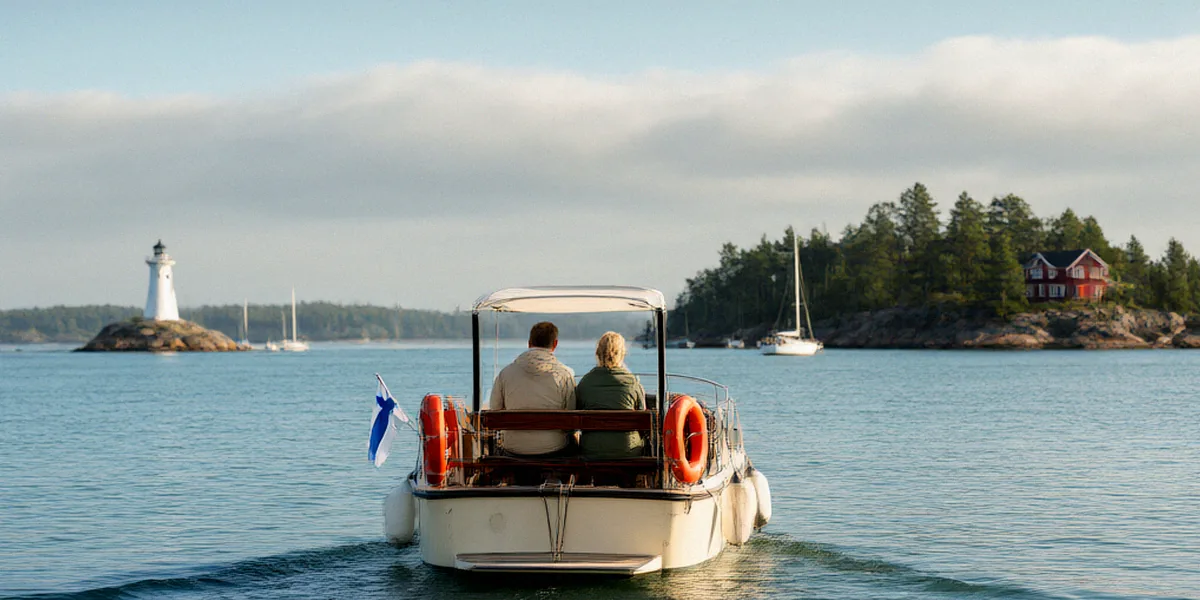
Helsinki alone spreads across more than 300 islands, and Finland as a whole has over 40,000 of them. That’s not a typo. What makes this different from, say, the Whitsundays is access: many of these islands sit within the city’s public transport network, reachable on a regular commuter ferry for the price of a bus ticket. You can leave your hotel after breakfast and be on a UNESCO-listed fortress island before morning tea.
For Australians, the logistics have also improved dramatically. Finnair operates direct flights from Australia to Helsinki, which makes the Finnish capital a natural first stop on any Baltic travel itinerary. Rather than backtracking through Asia or the Middle East, you land in the Nordics and start island hopping the same day.
How to Get There from Australia
Finnair flies direct from Australia to Helsinki, with connections from Sydney, Melbourne, Brisbane and Perth via its Asian gateways. The flight time is long — think 20-plus hours including a stop — but Helsinki-Vantaa Airport is only 30 minutes from the city centre by train or bus. Once you’re checked in, the ferry terminals at Market Square (Kauppatori) are a short walk from most central hotels. No car hire, no domestic flight, no fuss.
Best Time to Visit for Aussie Travellers
June to August is the sweet spot. You get the famous white nights — sunset around 11pm and twilight that never quite turns to darkness — plus every ferry and water bus route running at full capacity. July is warmest, with daytime temperatures often in the low 20s, though we always tell people to pack a light rain jacket regardless. September is quieter and still pleasant, while winter transforms the archipelago into a frozen, snow-covered world that’s beautiful but limited in terms of ferry access.
The Must-Visit Islands: Our Top Picks
There are dozens of islands worth visiting, but four stand out for first-timers. All are served by either the HSL ferry network or the JT-Line water bus.
Suomenlinna: The Crown Jewel
Suomenlinna is a UNESCO World Heritage site and one of the most impressive sea fortresses in the world, built by the Swedes in the 18th century and later used by the Russians and Finns. It’s actually spread across eight islands linked by bridges, with museums, galleries, cafés, a brewery, and enough walking trails to fill a full day. The ferry from Market Square takes about 15 minutes.
Vallisaari and Kuninkaansaari: Rugged and Raw
Vallisaari was closed to the public for decades and only reopened in 2016, which is why it still feels wild. Expect unmarked paths, military ruins, abandoned barracks, and some of the best wildflower meadows in southern Finland. Kuninkaansaari is connected by a short bridge. Bring sturdy shoes and your own water — facilities are minimal.
Lonna: Sauna and Seafood
Lonna is tiny — you can walk it in ten minutes — but it packs a punch. There’s a public sauna, a well-regarded restaurant, and a calm, grassy shoreline perfect for a lazy afternoon. It’s a five-minute ferry ride from Market Square, making it the ideal introduction to island life if you’re short on time.
Pihlajasaari: The Locals’ Favourite
Pihlajasaari is where Helsinkiläiset go to swim, sunbathe and picnic. There are sandy beaches, camping areas, saunas and walking paths through pine forest. It’s a 15-minute JT-Line water bus ride from the mainland and feels a world away from the city.
How to Get Around: Ferries, Water Buses, and More
The archipelago is surprisingly easy to navigate without a car or a private boat. Here’s how the transport options stack up:
HSL Ferries: The Budget-Friendly Option
The HSL ferry to Suomenlinna runs year-round and is the cheapest way to get onto the water. HSL ferry tickets are included in the Helsinki region travel card, which means if you’ve already bought a day or multi-day pass for trams and metro, your ferry ride is effectively free. This is the single best-value transport tip we can give Australian visitors.
JT-Line and Other Water Buses
JT-Line operates water buses to islands like Pihlajasaari, Lonna and Vallisaari, with routes that vary by season. Tickets are sold separately from the HSL system, but prices are reasonable — usually €6 to €10 return. Some services are summer-only, so check timetables before you plan a day around them.
Kayaking and Private Charters
If you want to explore at your own pace, several operators rent kayaks and stand-up paddleboards from mainland beaches. For something more comfortable, private charter boats can be hired for a half or full day, often including a stop at a sauna island. These are a nice option for couples or small groups celebrating a milestone.
The Finnish Sauna Experience on the Islands
You can’t come to Finland and skip the sauna. It’s not a spa treatment here — it’s a national ritual, and the archipelago is one of the best places to experience it. The formula is simple: heat, cool down, repeat. What changes is what you cool down in.
Public Saunas vs. Private Rentals
Löyly is a popular public sauna in Helsinki, perched right on the waterfront with a striking timber design and direct access to the Baltic for swimming. It’s a great first-timer option because you can book a slot, hire a towel, and eat afterwards. On the islands, both Lonna and Suomenlinna have saunas you can book, often with a mix of shared and private sessions. Private rentals are ideal if you’re shy or travelling with a group.
The Ice Dive: What to Expect
Here’s the Australian contrast: you won’t be cooling off in a pleasant ocean. You’ll be lowering yourself into the Baltic, which in summer hovers around 15 to 18°C, and in winter involves cutting a hole in the ice. The shock is real, but so is the rush. Most people manage 10 to 30 seconds. Towels, robes and warm drinks are always nearby.
Practical Tips for Australian Visitors
Finland is one of the easiest countries in Europe to travel in, but a few things catch Aussies off guard.
What to Pack for a Nordic City Break
- Layers, layers, layers — even in July, evenings can drop to 12°C
- A waterproof jacket with a hood
- Comfortable walking shoes with grip for uneven island paths
- A swimsuit and quick-dry towel for saunas and beach islands
- Sunscreen — the northern sun is deceptive, especially with late sunsets
- A reusable water bottle — Helsinki’s tap water is excellent and free
Budgeting for Island Hopping
Finland uses the euro and is not a cheap destination, though it’s comparable to Sydney or Melbourne for most things. A casual lunch runs €12 to €18, a beer €7 to €9, and a restaurant dinner €25 to €40 per person. English is widely spoken, so language is never a barrier. Australians can stay visa-free in the Schengen area for up to 90 days within any 180-day period; if you plan to stay longer, you’ll need a Schengen visa. Public transport, including the ferry to Suomenlinna, is the best way to keep costs down.
Beyond Helsinki: Combining with Baltic Travel
Helsinki is ideally placed for extending your trip across the Baltic. Two routes in particular are worth building into your itinerary.
Day Trip to Tallinn
Tallinn is just a two-hour ferry ride across the Gulf of Finland. Tallink Silja and Viking Line both run multiple daily services, and the old town is walkable from the terminal. You can comfortably do it as a day trip, though we’d suggest staying one night to see the medieval streets without the cruise crowds.
Overnight Cruise to Stockholm
For something more memorable, take an overnight cruise to Stockholm with Tallink Silja or Viking Line. You leave Helsinki in the evening, sleep in a cabin as you cross the archipelago, and wake up in Sweden’s capital. It’s a genuinely enjoyable way to travel and turns a transport leg into part of the holiday.
Island hopping in the Helsinki Archipelago gives you something Australia can’t: a Nordic city break where UNESCO fortresses, wild meadows, saunas and icy swims are all a short ferry ride from the centre of town. Whether you come for three days on a stopover or three weeks across the Baltic, we think you’ll be planning a return trip before you’ve even boarded the flight home.
FAQ
Do I need a visa to visit Finland from Australia?
Australian passport holders can visit Finland and the wider Schengen area visa-free for up to 90 days within any 180-day period. If your trip exceeds 90 days, you’ll need to apply for a Schengen visa before you travel.
Are Helsinki’s island ferries covered by a travel card?
Yes — the HSL ferry to Suomenlinna is included in the Helsinki region travel card, so a day or multi-day pass covers the trip at no extra cost. Water buses like JT-Line are ticketed separately.
Can I visit the archipelago in winter?
Some islands, including Suomenlinna, are accessible year-round, and the frozen landscape is stunning. However, many water bus routes and island services shut down outside the summer season, so check timetables carefully if you’re visiting between November and March.
Is English widely spoken in Helsinki?
Yes. English is spoken fluently by most people in Helsinki, including staff at ferry terminals, saunas, restaurants and shops. You won’t have any trouble getting around.
How long should I allow for a Helsinki archipelago trip?
We’d suggest a minimum of three full days in Helsinki to cover Suomenlinna, one or two other islands, and a sauna experience. If you’re combining with Tallinn or Stockholm, plan for at least five to seven days.