
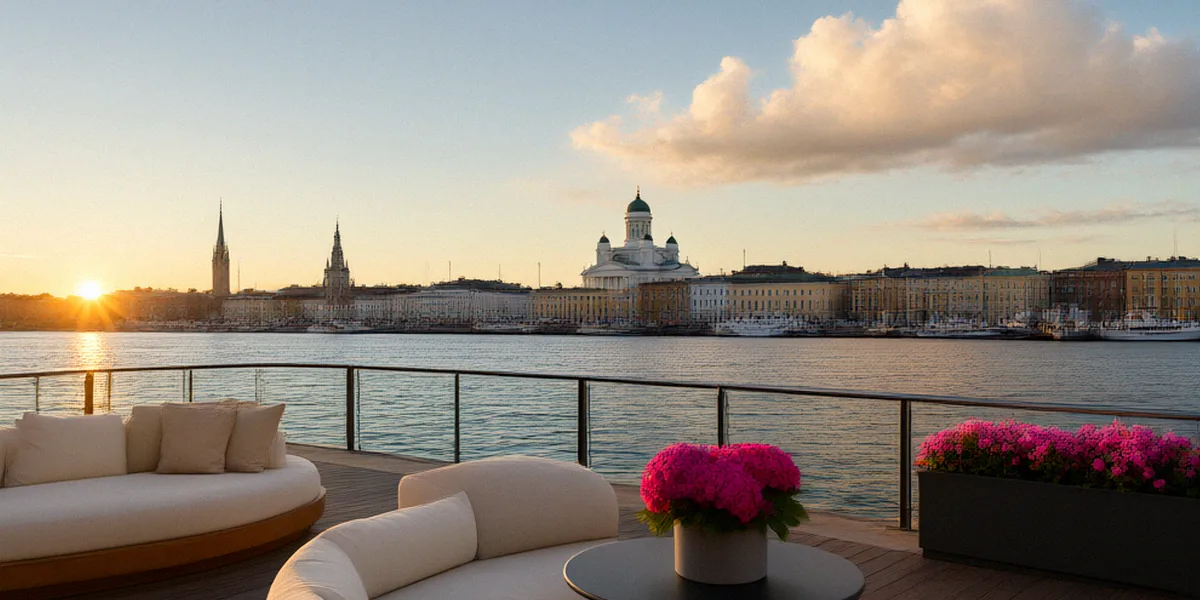
Helsinki in 48 Hours: How to Make the Most of a Nordic City Break
You step off a long-haul flight from Australia, bleary-eyed after roughly 20-plus hours in transit, and Helsinki greets you with clean air, quiet streets and a sense that everything is exactly where it should be. We have done this arrival more than once, and the first time it felt almost too calm for a capital city. That calm is the point. In 48 hours you can wander the harbour markets, sweat it out in a proper Finnish sauna, catch a ferry to a UNESCO sea fortress and still have time for a cinnamon bun by the water. The trick is not trying to see everything. It is picking the handful of things Helsinki does better than almost anywhere else and doing them properly.
Why Helsinki Works as a 48-Hour City Break
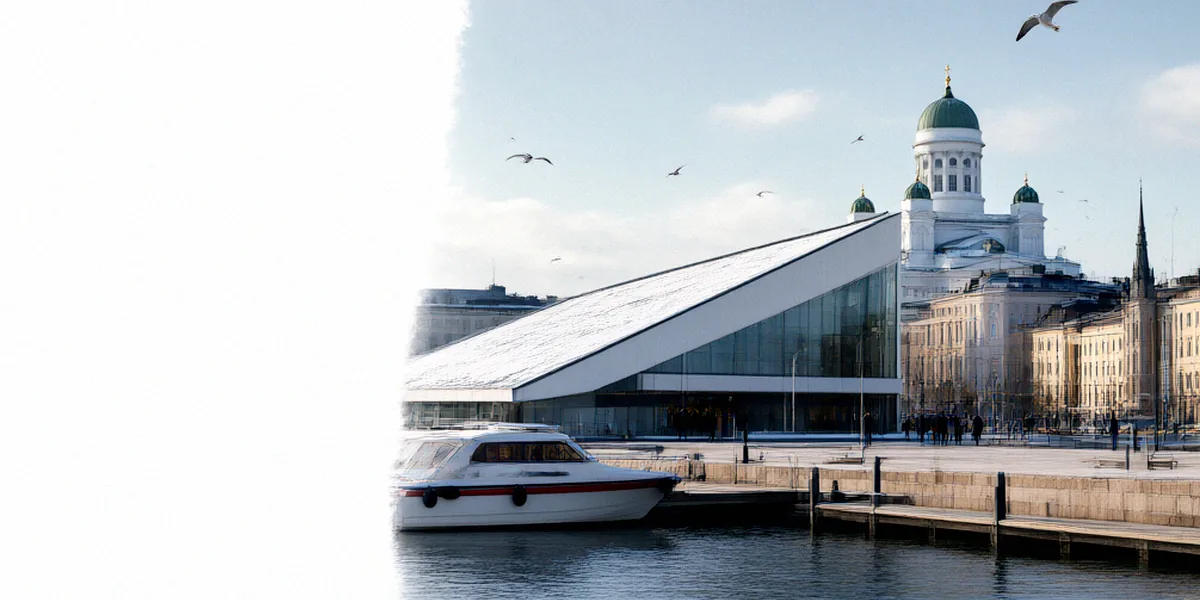
Helsinki is one of the few European capitals that genuinely rewards a short stopover. The centre is compact, the public transport is excellent, and the airport sits only about 30 minutes from the city by train. For Australian travellers, it is also the natural gateway to the Nordics and the Baltics, which makes it an easy add-on to a longer Europe trip rather than a destination you save for three weeks.
Getting There from Australia: Flight Routes and Jet Lag
Finnair operates direct flights from Sydney, Melbourne and Brisbane to Helsinki via Singapore or Bangkok, which means you can fly one carrier all the way and arrive without juggling a messy self-transfer. The routing through Asia breaks up the journey nicely, and Helsinki-Vantaa is a genuinely pleasant airport to land in — quiet, efficient and easy to navigate when you are tired.
Jet lag from Australia to Finland typically runs in the 7 to 9 hour range depending on your departure city. Our advice: book an afternoon arrival if you can, force yourself to stay awake until at least 9pm local time, and get outside into daylight immediately. Helsinki’s long summer evenings make this easy. In winter, the darkness works against you, so plan a light-filled activity for your first afternoon, like a museum or a sauna.
When to Visit: Seasons, Light and Crowds
Summer (June to August) delivers near-endless daylight, warm terrace culture and the best ferry weather, but it is also peak season. Winter (December to March) is dark, cold and magical, with Christmas markets and the chance of snow, though daylight can be as short as six hours. We think the sweet spots are late May and early September — you get reasonable light, thinner crowds and lower prices.
Day 1: Harbour, Design and a Proper Finnish Sauna
Day one should keep you outdoors and moving, which helps with jet lag and gives you an instant feel for the city’s scale. Everything below is walkable or a short tram ride apart.
Morning: Market Square and Esplanadi
Start at Kauppatori, the Market Square, right on the South Harbour. In summer it is bustling with stalls selling berries, smoked fish and handicrafts; in winter it shifts indoors nearby. From there, walk up through Esplanadi Park, Helsinki’s elegant central green strip, and grab a coffee at one of the pavilions. This is the best introduction to the city’s rhythm — unhurried, design-conscious and quietly confident.
Afternoon: Design District and Ateneum
Helsinki’s Design District spreads across the streets of Punavuori and Kaartinkaupunki, packed with independent boutiques, vintage stores and studios selling Finnish glass, ceramics and textiles. If you only have time for one museum, make it the Ateneum, the national gallery, which holds a strong collection of Finnish art from the 19th century onwards. It is central, well-sized for a two-hour visit and a good rainy-day backup.
Evening: Finnish Sauna and Baltic Dinner
No trip to Finland is complete without a proper sauna, and we would send first-timers to Löyly, a contemporary sauna and restaurant on the Helsinki waterfront. It combines a smoke sauna, a traditional sauna and direct sea access for a cold plunge, plus a solid restaurant. Kotiharjun Sauna, a historic public sauna in Kallio, is the more old-school alternative if you want the authentic neighbourhood experience.
A few etiquette notes for first-timers:
- Shower before you enter the sauna, and sit on a towel or bench liner.
- Swimwear is optional in most public saunas but required in some mixed facilities — check ahead.
- Pour water on the stones sparingly; a little löyly goes a long way.
- Cool down between rounds, either outdoors or with a cold shower or plunge.
- Hydrate. Seriously.
Afterwards, find a Baltic dinner — think salmon soup, fried herring or reindeer — and call it an early night.
Day 2: Islands, Architecture and Baltic Day Trips
Day two leans into Helsinki’s geography: islands, rock-cut architecture and the option to tick off a second country entirely.
Morning: Suomenlinna Sea Fortress
Suomenlinna is a UNESCO World Heritage sea fortress reachable by a 15-minute ferry from Market Square. The ferry runs on the HSL network, so your normal transport ticket covers it. Once there, wander the ramparts, visit the submarine and the museum, and enjoy the sea views back toward the city. Allow at least three hours.
Afternoon: Temppeliaukio and Oodi Library
Back on the mainland, head to Temppeliaukio Church, the famous rock church carved directly into granite. It is a short visit — 30 to 45 minutes — but genuinely striking. From there, walk or tram to Oodi, Helsinki’s central library, which is less a library and more a public living room with a fantastic top-floor balcony overlooking the city. It is free and one of the best examples of Finnish design thinking in action.
Optional: Tallinn Day Trip by Ferry
If you want two countries in 48 hours, Tallink and Eckerö Line run ferries from Helsinki to Tallinn in about 2 hours. An early morning departure and a late afternoon return gives you roughly six hours in Estonia’s medieval old town, which is enough for a wander, lunch and a coffee. It is a full day, so only attempt it if you are comfortable with a fast pace.
Where to Eat, Sleep and Caffeinate
Helsinki is not a cheap city, but it is a rewarding one if you know where to spend and where to save.
Finnish Food You Should Try
Start with salmon soup (lohikeitto), a creamy, dill-heavy bowl that appears on almost every menu. Story, in the Old Market Hall, does an excellent version. Try karjalanpiirakka (Karelian pasties), fried herring, and reindeer if you are feeling adventurous. For a sweet fix, korvapuusti — Finnish cinnamon buns — are everywhere and worth every calorie.
Neighbourhoods to Stay In
For design-forward stays, Hotel St. George in central Helsinki is hard to beat, with a spa, a strong art collection and a great location near Esplanadi. For budget-conscious travellers, the Omena Hotel chain offers simple, self-service rooms with keypad entry and no reception — surprisingly good value in a pricey city. Katajanokka and Punavuori are both pleasant residential areas within walking distance of the centre.
Coffee Culture and Cinnamon Buns
Finland drinks more coffee per capita than almost any country on earth, so take it seriously. Café Regatta, a tiny red wooden hut near the Sibelius Monument, is the classic stop for a cinnamon bun and a coffee by the water. It is small, cosy and slightly chaotic — exactly what you want.
Practical Tips for Australian Travellers
A few logistics to sort before you land will make the whole trip smoother.
Money, Cards and Tipping
Finland uses the euro. Card payments are accepted almost everywhere, including market stalls, so you barely need cash. Tipping is not expected — round up if service was good, but there is no obligation. Australian passport holders can enter the Schengen area visa-free for short stays of up to 90 days within any 180-day period.
Getting Around: Trams, Metro and Ferries
The HSL app is the main public transport ticketing system for trams, metro and ferries in Helsinki. Buy a day or multi-day pass in the app, activate it when you first travel, and you are set. Trams cover the centre beautifully, the metro connects east and west, and the same ticket covers the Suomenlinna ferry.
Packing for Nordic Weather
Layers are non-negotiable. Even in summer, evenings can drop to 10°C, and winter requires a proper coat, thermals, gloves, a hat and waterproof boots. Bring a compact umbrella and a scarf year-round. Australians consistently underestimate Nordic cold — do not be that person.
FAQ
Is 48 hours enough to see Helsinki?
Yes, for a taste. You can cover the harbour, Design District, a sauna, Suomenlinna and the main architectural sights comfortably. You will not see everything, and that is fine — Helsinki rewards a return visit.
Do Australians need a visa for Finland?
No, Australian passport holders can enter Finland and the wider Schengen area visa-free for short stays of up to 90 days within a 180-day period.
Can I do a Tallinn day trip from Helsinki in one day?
Yes. Tallink and Eckerö Line run ferries from Helsinki to Tallinn in about 2 hours, and an early departure with a late afternoon return gives you roughly six hours in Tallinn’s old town.
What is the best way to get around Helsinki?
Use the HSL app for trams, metro and ferries. A day pass covers most of what a short-stay visitor needs, including the ferry to Suomenlinna.
Is Finnish sauna etiquette hard for beginners?
Not at all. Shower first, sit on a towel, use water on the stones sparingly, cool down between rounds and hydrate. Staff at places like Löyly are used to first-timers and happy to explain.
Forty-eight hours in Helsinki is a taster, not a full course. We would rather you slow down, take one proper sauna, eat one great bowl of salmon soup and leave wanting more than sprint between every landmark on a checklist. Book the return trip — winter for the snow and saunas, summer for the endless light and ferry-hopping through the archipelago. Either way, Helsinki will still be there, calm and quietly brilliant.