
Helsinki’s Design District: A Nordic City Break for Australian Travellers
While we’re sweating through another 38-degree day in Sydney or swatting mozzies in Queensland, Helsinki is doing what it does best: cool, calm, and quietly creative. The Finnish capital’s Design District is one of those places that rewards travellers who’d rather wander a design studio than queue for a theme park. It’s walkable, it’s affordable compared to Scandinavia’s big hitters, and it’s packed with the kind of design heritage Australians already love — you’ve probably got a Marimekko cushion or an Iittala glass at home without even knowing it. Here’s how to turn Helsinki’s Design District into the centrepiece of your next Nordic city break.
What Is Helsinki’s Design District?
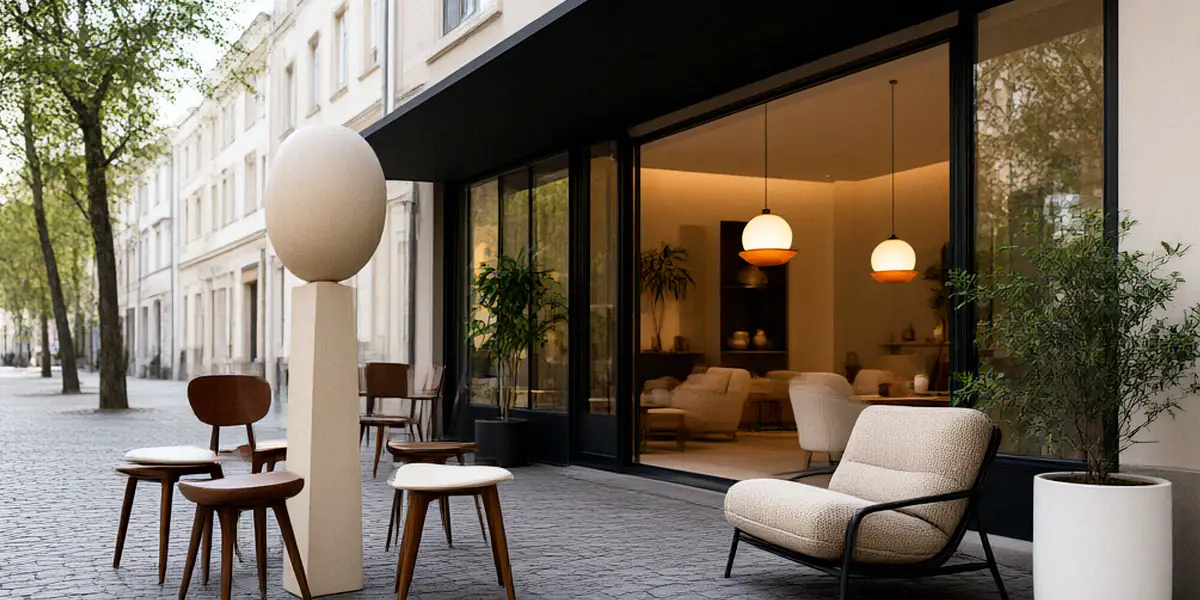
The Design District is a defined cluster of streets in central Helsinki — around 25 blocks stretching from Punavuori through Kaartinkaupunki to the edges of Kamppi and Ullanlinna. It officially launched in 2005 and now contains more than 200 studios, shops, galleries, cafés, and workshops. You’ll spend most of your time on Fredrikinkatu, Uudenmaankatu, and Iso Roobertinkatu, all within easy walking distance of each other. If you like Japanese stationery, Danish ceramics, or Finnish glassware, this is your happy place. It’s not a single building or a museum — it’s an entire neighbourhood that happens to be full of creative people doing interesting things.
A Brief History of the District
The area grew out of Helsinki’s 19th-century industrial and artisan quarter, when workshops and small factories clustered south of the city centre. After the Second World War, many of those spaces were gradually taken over by designers, jewellers, and printmakers. Finland’s design reputation — think Alvar Aalto and the golden era of Finnish modernism — gave the neighbourhood momentum, and by the 2000s it had formalised itself as the Design District Helsinki brand. Today it’s a mix of legacy Finnish brands and younger studios, which is exactly why it feels alive rather than curated for tourists.
How to Get There from Central Helsinki
From Helsinki Central Railway Station, it’s a 10 to 15-minute walk south down Mannerheimintie and then into Fredrikinkatu. Alternatively, trams 1, 3, 6, and 10 all run through or near the district — tap on with a HSL travel card or the HSL app. If you’re arriving from the airport, the P-train or I-train gets you to Central in about 30 minutes, then it’s the walk or tram from there. No need for taxis.
Design Highlights You Can’t Miss
The Design District rewards slow browsing. We’d suggest picking two or three anchor stops and letting the rest happen organically. Here are the ones we always come back to.
Finnish Design Icons: Marimekko, Iittala, Artek
Marimekko’s flagship on Pohjoisesplanadi (a short walk east of the district) is the pilgrimage site for anyone who’s ever owned a poppy-print tote. Within the Design District itself, you’ll find Marimekko stockists and outlet-style shops along Fredrikinkatu. Iittala has a dedicated store where you can pick up the Aalto vase or Kastehelmi glassware — and yes, they will wrap it for the flight home. Artek, the brand co-founded by Alvar Aalto, sells furniture and lighting, and the Artek 2nd Cycle shop on Pieni Roobertinkatu is where design nerds hunt for vintage Finnish pieces at semi-reasonable prices.
Practical tip for Australian shoppers: prices include Finland’s 25.5% VAT, and non-EU visitors can claim a refund on purchases over €40 through the Global Blue or Planet schemes. That’s a different system to Australia’s GST refund scheme at the airport — here, you claim at the VAT refund desk before check-in, so keep receipts and packaging intact.
Contemporary Studios and Local Talent
Beyond the big names, this is where the district shines. Look for:
- Lokal on Annankatu — a combined gallery and shop representing contemporary Finnish makers, from ceramics to jewellery.
- Common on Uudenmaankatu — a concept store focused on Nordic design and small-batch goods.
- Nide Books and independent print shops along Fredrikinkatu, good for design books and zines.
- Small jewellery studios in the courtyards off Iso Roobertinkatu, many of which open only Thursday to Saturday.
The Design Museum: A Must-See
The Design Museum on Korkeavuorenkatu is the district’s anchor institution. It covers Finnish design from the late 19th century to today, with rotating exhibitions on everything from Marimekko prints to Finnish glass. Allow 90 minutes. It’s closed on Mondays, and the on-site shop alone is worth the entry fee. Combine it with a coffee at the museum café before you continue walking.
Beyond Design: Saunas, Cafes, and Baltic Flavours
A Nordic city break isn’t complete without the sauna, and the Design District is well-placed for it. This is also where you’ll eat and drink well without blowing the budget.
Finnish Sauna Culture for First-Timers
Finnish sauna is not a spa treatment — it’s a social ritual. You go in nude or with a towel, sit in dry heat around 80-90°C, and cool off between rounds. The best introduction near the district is Löyly, a striking waterfront sauna and restaurant in Hernesaari, about a 20-minute walk or short tram ride from the Design District. Book ahead, especially in summer. If you want something more central, Kotiharjun Sauna in Kallio is Helsinki’s last traditional wood-fired public sauna and a genuine local experience.
Coffee Culture and Finnish Pastries
Finland drinks more coffee per capita than almost any country on earth, and Helsinki takes it seriously. Café Regatta, a tiny red wooden hut near Sibelius Park, is the classic stop for a cinnamon bun (korvapuusti) and an open-fire coffee. Closer to the Design District, try Andante on Fredrikinkatu or the various specialty roasters along Uudenmaankatu. Order a pulla or a munkki (Finnish doughnut) with your flat white.
Baltic and Nordic Dining Spots
For dinner, look for Baltic-inspired menus — think cured fish, rye bread, dill, and root vegetables. Restaurants along Iso Roobertinkatu and Punavuori serve modern Finnish food at mid-range prices. We like Story Café in the Old Market Hall for lunch (it’s central and reliable), and for something more substantial, seek out the small bistro-style places in Punavuori that change menus weekly. Vegetarian options are plentiful across the district.
Practical Tips for Australian Visitors
Finland is a long haul from Australia, but it’s easier than it looks. Here’s what we tell friends before they fly.
Getting There: Flights and Stopovers
Qantas operates flights from Sydney and Melbourne to London and Paris, with connections to Helsinki via oneworld partners like Finnair. Most Australians route through Singapore, Doha, or Dubai, then into Helsinki-Vantaa. Total travel time is around 22-26 hours including a stopover. Finnair’s Singapore-Helsinki route is one of the fastest ways in if you’re coming via Asia. Book early for summer — June to August fills up fast.
When to Visit: Seasons and Events
Summer (June to August) gives you 18-20 hours of daylight, outdoor cafés, and the Helsinki Design Week in September. Winter (December to February) is dark but magical — snow, Christmas markets, and the chance to see the Northern Lights if you head north. Spring and autumn are quieter and cheaper. If you’re escaping an Australian summer, a Finnish winter is the ultimate contrast.
Money, Taxes, and Shopping Tips
Finland uses the euro. Cards are accepted almost everywhere, including market stalls. Tipping isn’t expected. As mentioned, non-EU visitors can claim VAT refunds on shopping over €40 — a different process to Australia’s TRS scheme, so allow extra time at the airport. Budget around €80-120 per day for meals, transport, and one paid attraction.
How to Plan Your Design District Itinerary
You can see the Design District properly in half a day, but a full day lets you eat and shop without rushing.
A Half-Day Walking Route
- Start at the Design Museum on Korkeavuorenkatu (opens 11am, closed Mondays).
- Walk west along Iso Roobertinkatu, popping into boutiques and galleries.
- Turn onto Fredrikinkatu and browse Marimekko, Iittala stockists, and independent studios.
- Lunch at Story Café in the Old Market Hall, or grab a bun at a local bakery.
- Shop at Lokal on Annankatu for contemporary Finnish design.
- Finish with a sauna at Löyly if you’ve booked ahead, or a coffee at Café Regatta.
Combining with Other Helsinki Attractions
The Design District sits within easy reach of Helsinki’s other highlights. The Suomenlinna sea fortress is a 15-minute ferry from Market Square, perfect for a half-day. The Temppeliaukio Rock Church and the Ateneum art museum are both a short walk or tram ride away. If you have two days in Helsinki, do the Design District on day one and Suomenlinna on day two.
FAQ
Is the Design District walkable from Helsinki Central Station?
Yes — it’s a 10 to 15-minute walk south, or a short tram ride on routes 1, 3, 6, or 10.
Do I need to book saunas like Löyly in advance?
Yes, especially in summer and on weekends. Book online a few days ahead to secure a slot.
Can I claim VAT refunds on Marimekko and Iittala purchases?
Yes. Non-EU visitors can claim a refund on purchases over €40 through Global Blue or Planet at Helsinki-Vantaa Airport before check-in.
What’s the best time of year for Australian travellers to visit Helsinki?
June to August for long daylight hours and outdoor life, or December to February if you want snow and a proper Nordic winter contrast to Australian summer.
Is English widely spoken in the Design District?
Almost universally. Finns speak excellent English, and shop staff are used to international visitors.
Helsinki’s Design District is the kind of city break that sneaks up on you. It’s not flashy — it’s a working neighbourhood of makers, and that’s exactly what makes it worth your time. Pack a reusable water bottle (Helsinki tap water is excellent and free), wear comfortable shoes for the cobblestones, and give yourself at least a full day to wander. From Marimekko prints to Löyly’s waterfront sauna, this is Nordic city-break travel at its most rewarding.