
Midnight Sun vs Winter Dark: When to Go to Helsinki
So you’re planning a trip from Australia to Helsinki, and you’ve hit the classic dilemma: do you chase the endless daylight of a Finnish summer, or lean into the cosy, snow-covered darkness of winter? We’ve wrestled with this question ourselves, and the honest answer is that both seasons offer completely different holidays. One gives you 19-hour days and terrace beers at 11pm; the other gives you snowy streets, steaming saunas and a shot at the Northern Lights. This guide breaks down exactly what each season delivers so you can book the version of Helsinki that suits you.
Why Helsinki Feels Like Another Planet for Australians
Nothing quite prepares you for how different Helsinki’s seasons are from anything in Australia. Finland sits at roughly 60 degrees north, which means daylight swings wildly between summer and winter. Finnair flies from Australia via Singapore or Doha, so most Aussies arrive after a long haul with a serious case of time-zone confusion — and then the light itself throws you off.
The Daylight Extremes: Summer vs Winter
In June and July, Helsinki gets close to 19 hours of usable daylight, and it never goes fully dark — the “night” is a long, glowing dusk. In late December, the opposite happens: the sun rises around 9:30am and sets before 3:30pm, giving you roughly five to six hours of grey-blue light. For someone from Sydney or Perth, where daylight barely shifts across the year, this is genuinely disorienting in the best way.
Jet Lag and Seasonal Adjustment for Aussies
Helsinki is seven hours behind Australian Eastern Standard Time, and the flight routing via Singapore or Doha usually means 20-plus hours in transit. Our advice: give yourself two full days before scheduling anything ambitious. In summer, the endless light tricks your body into staying up far too late — bring an eye mask. In winter, the early darkness can feel heavy if you’re not expecting it, so plan indoor highlights like museums, cafés and saunas for the afternoons.
Chasing the Midnight Sun: Summer in Helsinki
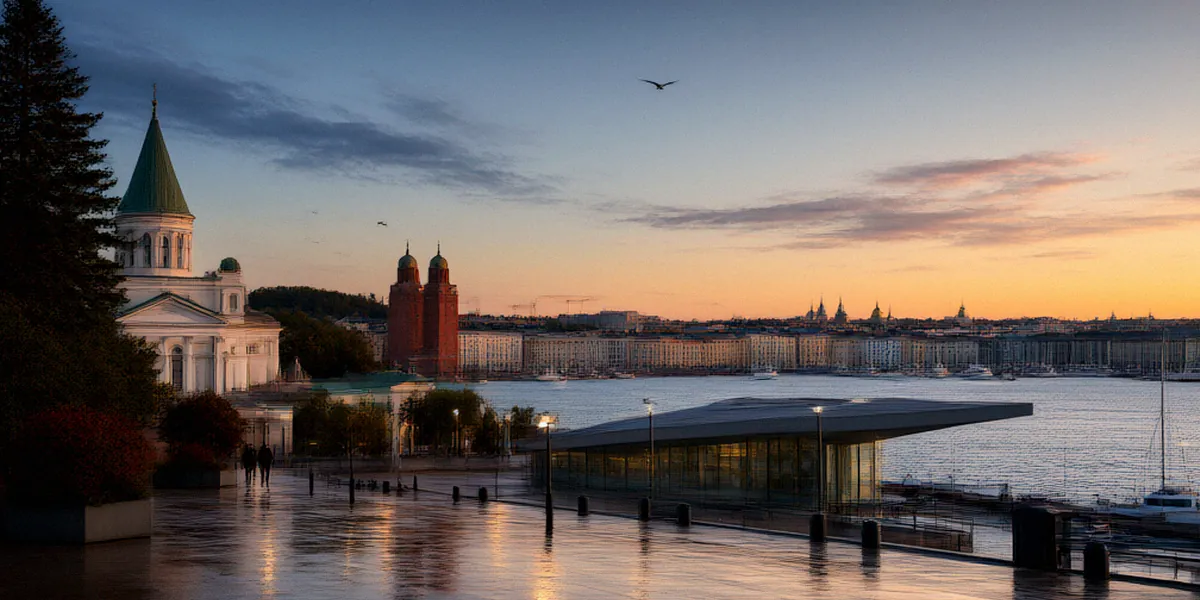
Summer in Helsinki is when the city exhales. Locals emerge from hibernation, terraces fill up along the Esplanadi, and the archipelago turns into a playground. If you’ve only got one shot at Helsinki travel, this is the version most first-timers fall in love with.
What to Do When the Sun Never Sets
The daylight gives you an absurd amount of time. You can spend a full morning at the Suomenlinna sea fortress — a UNESCO-listed island fortress reached by a 15-minute ferry from Market Square — then head out to Nuuksio National Park for an evening hike, and still have light left for dinner at 10pm. Our favourite low-effort win is renting a bike and riding the coastal paths after 8pm, when the light turns golden and the crowds thin out.
Midsummer and Local Festivals
Midsummer (Juhannus) falls in late June and is Finland’s biggest celebration. The city partially empties as locals head to summer cottages, but public events, bonfires and island parties still run. If you’re in Helsinki around Midsummer, expect long tables, grilled food, and a lot of happy Finns who haven’t seen this much sun in months. The Helsinki Festival in August is another strong reason to time your trip late in the season.
Pros and Cons of a Summer Visit
- Pros: Endless daylight, terrace culture at its peak, easy day trips to Suomenlinna and Nuuksio, ferries to Tallinn and Stockholm running frequently.
- Cons: Higher accommodation prices, bigger crowds, and some locals leave town for Midsummer.
- Best for: First-timers, photographers, anyone who wants maximum outdoor time.
Embracing the Winter Dark: Cosy Helsinki and Northern Lights
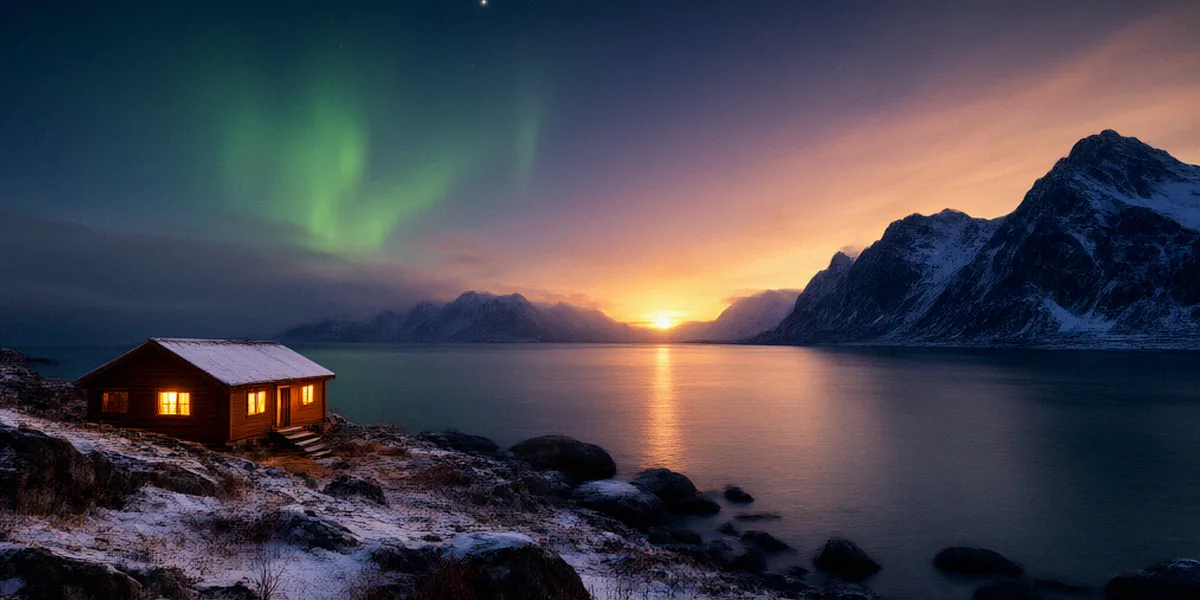
Winter in Helsinki is a different beast, and we mean that as a compliment. From December to March, the city turns into a snow-globe version of itself: design shops glow from within, the harbour freezes over, and the whole culture shifts indoors. This is when Finnish sauna tradition, Christmas markets and aurora chasing come into their own.
Finnish Sauna: The Ultimate Winter Warm-Up
You cannot visit Finland without doing a proper sauna. The Finnish sauna tradition runs deep — it’s a social ritual, not a spa treatment. In Helsinki, Löyly Helsinki is the standout for visitors: a striking waterfront building with smoke saunas, a cold plunge into the Baltic, and a restaurant upstairs. Go in winter and the contrast between the 80°C sauna and the freezing sea is the whole point. Book ahead, especially on weekends.
Christmas Markets and Snowy City Breaks
From late November, Helsinki’s Christmas markets take over Senate Square and Market Square. Think glögi (mulled wine), handmade crafts, and reindeer sausage grilled over open fires. Pair that with a walk through the design district, where snow piles on the art nouveau facades, and you’ve got one of the most photogenic city breaks in Europe. Just pack proper boots — Helsinki’s pavements get icy.
Northern Lights and Arctic Adventures
Helsinki itself rarely gets aurora sightings, so if the Northern Lights are the goal, you need to head north. The standard move is a domestic flight or overnight train to Rovaniemi in Lapland, right on the Arctic Circle. From there, you can do aurora hunts, husky sledding, reindeer farms and snowmobile safaris. We’d recommend at least three nights in Lapland — aurora viewing is weather-dependent, so more nights equal better odds.
Baltic Travel and Nordic City Breaks: Combining Helsinki with Neighbours
Helsinki’s location is its secret weapon. You can be in another country in two hours by ferry, which makes it the perfect anchor for a broader Baltic travel itinerary or a multi-stop Nordic city break.
Ferry Routes to Tallinn and Stockholm
The Helsinki to Tallinn ferry takes about two hours and runs multiple times daily — it’s one of the easiest international crossings in Europe. Tallinn’s medieval old town is a genuine highlight and works as a day trip, though we’d suggest an overnight to do it justice. Overnight ferries to Stockholm take around 16 hours and are an experience in themselves, with cabins, restaurants and duty-free on board.
Multi-City Itineraries for Australians
Given how far you’ve flown, we always recommend stretching the trip. A solid two-week loop might look like:
- Helsinki (3–4 nights) — design, sauna, Suomenlinna
- Ferry to Tallinn (2 nights) — medieval old town
- Ferry or fly to Stockholm (2–3 nights) — Gamla Stan and museums
- Fly to Rovaniemi (3 nights) — Northern Lights and Arctic activities
- Return to Helsinki for departure
This works in either season, though winter adds snow and aurora; summer adds daylight and terrace culture.
Our Verdict: Which Season Suits You Best?
We get asked this constantly, and our answer is always the same: it depends on what you actually want from the trip. There’s no objectively better season — only the one that matches your travel style.
Best for First-Timers
If it’s your first time in the Nordics, go in summer. The long days make it easier to see more, the city is at its most social, and the daylight helps your body adjust faster after the flight from Australia. June to August is our pick.
Best for Sauna and Snow Lovers
If you’re here for the Finnish sauna tradition, snow-covered streets and a real shot at the Northern Lights, winter wins. December to March is the window. Just accept the short days and plan around them — sauna, museums and cosy restaurants fill the dark hours beautifully.
Packing and Budget Tips for Aussies
- Summer: Layers, a light waterproof jacket, eye mask for the midnight sun, and comfortable walking shoes.
- Winter: Thermal base layers, insulated waterproof boots, gloves, beanie, and a proper down jacket. Rent heavier gear in Rovaniemi if needed.
- Budget: Book Finnair flights via Singapore or Doha at least four to six months out. Summer accommodation sells out early; winter Lapland cabins go even faster.
- Currency: Finland uses the euro; Estonia too, which makes the Tallinn ferry day easy.
Whichever season you choose, there’s no wrong time for Helsinki travel — only a choice between endless daylight and snowy sauna nights. Book early, pack for the light (or lack of it), and give yourself time to adjust. Your future self, sipping glögi in a snow-covered square or swimming at 10pm in broad daylight, will thank you.
FAQ
How do I get to Helsinki from Australia?
Finnair operates direct flights from Australia via Singapore or Doha, with total travel time usually around 20 to 24 hours including the stopover. Booking four to six months ahead typically gets you the best fares.
Is Helsinki worth visiting in winter?
Absolutely. Winter delivers Christmas markets, the Finnish sauna tradition at places like Löyly Helsinki, snowy design districts and easy access to Lapland for Northern Lights chasing. Just prepare for short daylight hours.
Can I do a day trip from Helsinki to Tallinn?
Yes. The Tallinn ferry from Helsinki takes about two hours and runs multiple times daily. A day trip is doable, but we recommend at least one overnight to properly explore Tallinn’s old town.
Where can I see the Northern Lights in Finland?
Lapland is your best bet, particularly around Rovaniemi on the Arctic Circle. Fly or take the overnight train from Helsinki, and plan at least three nights to improve your chances.
When is the best time to visit Helsinki for the midnight sun?
June and July offer the longest days, with close to 19 hours of usable daylight. Late June also brings Midsummer celebrations, one of the best times to experience Finnish culture.